
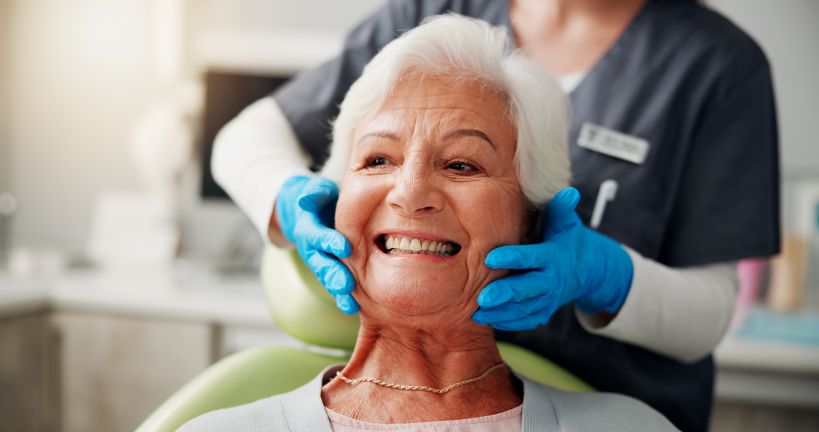
Women entering menopause can experience a variety of changes in their mental, physical, and even oral health. If you’ve reached this period in your life and are considering getting dental implants, it’s important that you be aware of the potential complications involved during this important time of change and transition.
How Does Dental Implant Failure Risk Increases During Menopause?
Although dental implants boast a 95 percent success rate even ten years after placement, failure rates in post-menopausal women are typically four to 11 percent higher than that average. That’s because the decrease in estrogen during menopause can increase your chances of developing osteoporosis, which reduces the density of your jawbone and can put your dental implants at risk.
Another common culprit of dental implant failure is dry mouth, which is caused by a reduction in saliva during menopause. This condition allows bacteria to accumulate in the mouth, increasing the risk of gum disease and peri-implantitis, which is the leading cause of dental implant failure.
Finally, women who are post menopause may experience slower osseointegration, which is the process of the dental implant fusing with the jawbone. This stage is imperative for dental implant success.
How Can I Improve My Odds for Dental Implant Success During and After Menopause?
Although there’s no guaranteed way to ensure dental implant success, there are a few ways you may be able to help improve your odds, including:
- Bone grafting: This treatment was designed improve the density of the jawbone to give the dental implant a stronger foundation for successful osseointegration.
- Hormone replacement therapy (HRT): Available from a medical doctor, HRT helps keep bones strong and could lower your risk of developing gum disease.
- Oral hygiene: Excellent oral hygiene is as important for dental implants as it is for your real teeth. Be sure to brush, floss, and visit your dentist regularly to reduce your risk of oral infections and dental implant failure.
Remember, although menopause may cause a variety of different symptoms that could make dental implant success a challenge, it doesn’t mean it’s impossible. In fact, there are plenty of steps you can take to help protect your newly restored smile. Thus, if you are considering this life-changing treatment, be sure to let your dentist know if you are entering or have already experienced menopause for your best chance at success!
About Dr. Kiesel
Dr. Donna Kiesel earned her undergraduate degree at the University of Texas at Austin and her dental degree at the Baylor College of Dentistry. She is a current, active member of the Dallas County Dental Society, Texas Dental Association, and the American Dental Association. To schedule a consultation for dental implants, visit our website or call 972-420-4488.