
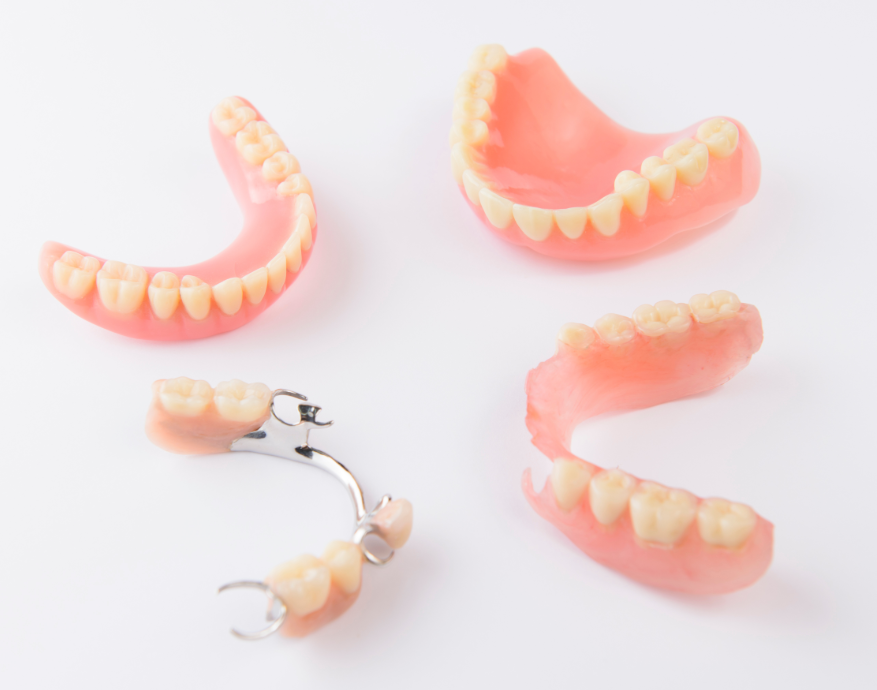
Losing a tooth can impact both your smile and your oral health. Many people consider dentures as a cost-effective solution, but there’s one area where dentures fall short: preserving the jawbone. Dental implants, on the other hand, provide a more permanent solution that supports bone health while restoring function and appearance. Understanding the differences between these options can help you make an informed decision for your oral health.
How Dentures Work
Dentures are removable appliances designed to replace missing teeth. Traditional dentures rest on the gums and rely on suction, adhesives, or clasps for stability. They restore your ability to chew and speak and can improve facial aesthetics, making them a popular choice for many patients.
However, because dentures do not integrate with the jawbone, they cannot prevent bone loss. Over time, the lack of stimulation to the underlying bone can cause it to gradually shrink, which may lead to changes in facial structure, a looser fit for the dentures, and the need for frequent adjustments or replacements.
The Role of Dental Implants
Dental implants are titanium posts surgically placed into the jawbone to act as artificial tooth roots. Once healed, they provide a stable foundation for crowns, bridges, or implant-supported dentures. Unlike traditional dentures, implants stimulate the jawbone during chewing, helping maintain bone density and prevent the shrinkage that often occurs after tooth loss.
This bone-preserving benefit is a key advantage of implants. Patients who choose implants not only restore their smile and oral function but also protect their facial structure over the long term. Implant-supported dentures combine the stability of implants with the convenience of dentures, providing the best of both worlds for those who need multiple tooth replacements.
Comparing Long-Term Outcomes
While dentures can restore basic function and aesthetics, they require ongoing maintenance and adjustments. Bone loss under traditional dentures may continue even with the most careful care, and gaps in the jawbone can lead to changes in bite alignment and facial appearance.
Implants, however, integrate with the jawbone and provide lasting support. This integration helps prevent bone loss, maintain facial contours, and improve overall oral health. Although implants often have a higher upfront cost, many patients find that the long-term benefits outweigh the initial investment due to improved stability, comfort, and reduced need for future adjustments.
Understanding the impact of tooth replacement options on your jawbone health is essential when deciding between dentures and implants. Preserving bone not only supports oral function but also helps maintain a natural, youthful facial appearance.
About the Practice
Dr. Donna Kiesel and her team provide advanced restorative solutions, including dental implants and All-on-4 implant-supported dentures. The practice focuses on personalized treatment plans that restore both function and aesthetics while supporting long-term oral health. With a commitment to patient comfort, education, and innovative techniques, Dr. Kiesel helps patients achieve healthy, confident smiles that last for years.
Call us at (972) 420-4488 or schedule your appointment online.